
ADU Construction Services in Rosemont, Lancaster, Palmdale, Acton, and Santa Clarita
Introduction to ADU Construction
Accessory dwelling units, commonly referred to as ADUs, are increasingly popular in Rosemont, Lancaster, Palmdale, Acton, and Santa Clarita. With rising property values and the need for flexible housing solutions, ADUs provide a perfect option for homeowners looking to maximize their property’s potential. ADUs, whether attached or detached, can serve multiple purposes—from rental units and guest homes to office spaces or family suites.
Investing in ADU construction isn’t just about adding square footage; it’s about enhancing property value, creating long-term income opportunities, and contributing to sustainable living. In this guide, we will explore everything you need to know about ADU construction, including planning, design, contractor selection, costs, and maintenance.
What is an ADU?
An accessory dwelling unit is a secondary housing unit located on the same lot as a single-family home. ADUs vary in size, layout, and design but are generally independent with their own entrance, kitchen, and bathroom facilities. Common types include:
Detached ADUs: Separate structure from the main home.
Attached ADUs: Connected to the main house, often sharing a wall.
Garage conversions: Transforming an existing garage into a livable unit.
Basement or attic conversions: Utilizing unused space in the primary home.
ADUs are designed to complement the existing property aesthetically and functionally, providing modern amenities without compromising the main residence.
Benefits of Adding an ADU
Additional Income: Renting out an ADU can generate significant monthly revenue.
Increased Property Value: Properly constructed ADUs can enhance the resale value of your home.
Flexible Living Options: Ideal for multigenerational households or home offices.
Sustainable Use of Space: Efficient use of land while reducing urban sprawl.
Future-Proofing Your Home: ADUs offer long-term housing solutions in growing communities.
Planning Your ADU Project
Assessing Property Eligibility in Rosemont and Surrounding Areas
Before initiating construction, homeowners must evaluate their lot for ADU eligibility. Key factors include lot size, existing structures, setbacks, and utility access. Certain areas in Rosemont, Lancaster, Palmdale, and Acton may have specific zoning regulations that influence ADU feasibility.
Understanding Zoning and Permits in Lancaster, Palmdale, and Acton
Zoning laws dictate the type, size, and placement of ADUs. Local planning departments require permits to ensure safety, compliance with building codes, and neighborhood harmony. Engaging early with municipal authorities can prevent costly delays.
Budgeting Your ADU Construction
Budgeting is critical. Typical costs for ADU construction in Southern California can range from $120,000 to $350,000 depending on size, design complexity, and finishes. Don’t forget to include:
Permits and fees
Contractor costs
Materials and furnishings
Landscaping and exterior work
Design Considerations for Your ADU
Choosing the Right Layout
A well-planned layout optimizes space efficiency. Popular designs include studio layouts, one-bedroom units, and two-bedroom units. Key considerations:
Storage solutions
Natural lighting
Privacy for both the main house and ADU
Interior and Exterior Design Trends
Modern ADUs favor open floor plans, minimalist aesthetics, and seamless integration with the main home. Exterior materials like wood siding, stucco, and energy-efficient windows enhance curb appeal.
Sustainable and Energy-Efficient Features
Incorporating solar panels, energy-efficient HVAC systems, and low-flow plumbing reduces utility bills and increases long-term value. Many cities offer incentives for green building practices.
Hiring the Right ADU Contractor
How to Vet Contractors in Santa Clarita and Nearby Cities
Finding a reliable contractor is crucial. Look for:
Valid licensing and insurance
Proven track record of ADU construction
Client testimonials and portfolio reviews
Comparing Quotes and Services
Obtain at least three detailed quotes. Analyze:
Material quality
Timeline and schedule
Warranty and post-construction support
Red Flags to Avoid in ADU Construction
Be cautious of contractors who:
Offer significantly lower than average bids
Avoid written contracts
Lack transparency about permits or timelines
Construction Process Explained
Site Preparation and Foundations
Site preparation involves grading, excavation, and laying foundations. Proper groundwork ensures longevity and prevents structural issues.
Framing, Roofing, and Exterior Work
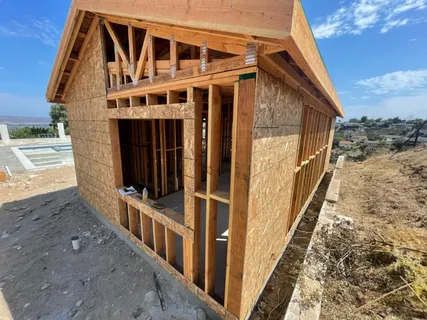
Framing establishes the structure, followed by roofing and exterior finishes. This phase requires attention to detail to maintain design integrity and compliance with local building codes.
Plumbing, Electrical, and Interior Finishes
Final construction phases include plumbing, electrical wiring, insulation, and interior finishes. Efficient coordination ensures project completion within budget and timeline.
Costs and Financing Your ADU
Typical Cost Breakdown in Southern California
| Component | Estimated Cost |
|---|---|
| Foundation & Framing | $40,000–$70,000 |
| Roofing & Exterior | $20,000–$50,000 |
| Plumbing & Electrical | $15,000–$35,000 |
| Interior Finishes | $30,000–$70,000 |
| Permits & Fees | $5,000–$15,000 |
Financing Options and Incentives
Homeowners can explore:
Home equity loans
Personal construction loans
Local and state ADU incentives
For more info on financing options, visit California ADU Program.
Common Challenges and Solutions
Permit Delays and How to Overcome Them
Permit approvals can take weeks or months. Hiring experienced contractors familiar with local regulations reduces delays.
Construction Timeline and Weather Delays
Plan for contingencies in case of adverse weather or material shortages. Maintaining open communication with contractors is essential.
Maximizing ADU Value
Rental Potential and ROI
Strategically located ADUs offer strong rental income. Proper marketing and maintaining high-quality finishes improve ROI.
Long-Term Maintenance Tips
Regular inspections of plumbing, roofing, and HVAC systems prevent costly repairs. Maintain exterior landscaping to boost property appeal.
FAQs About ADU Construction
What is the average size of an ADU?
ADUs typically range from 400 to 1,200 square feet depending on zoning regulations.
How long does ADU construction take?
Construction can take 6–12 months depending on complexity, permits, and weather conditions.
Are there restrictions on who can build an ADU?
Yes, local zoning laws and lot sizes often dictate who can legally construct an ADU.
Can an ADU increase property taxes?
In some regions, adding an ADU may slightly increase property taxes due to higher assessed property value.
Are ADUs eligible for green building incentives?
Yes, many cities in California offer incentives for solar panels, energy-efficient appliances, and sustainable construction materials.
How do I choose the right contractor for my ADU?
Check licensing, experience, reviews, and request multiple quotes to make an informed decision.
Conclusion and Next Steps
Final Recommendations
Investing in ADU construction in Rosemont, Lancaster, Palmdale, Acton, and Santa Clarita is a smart move for homeowners seeking additional income, enhanced property value, and sustainable living solutions. Planning, design, and contractor selection are critical to a smooth project.